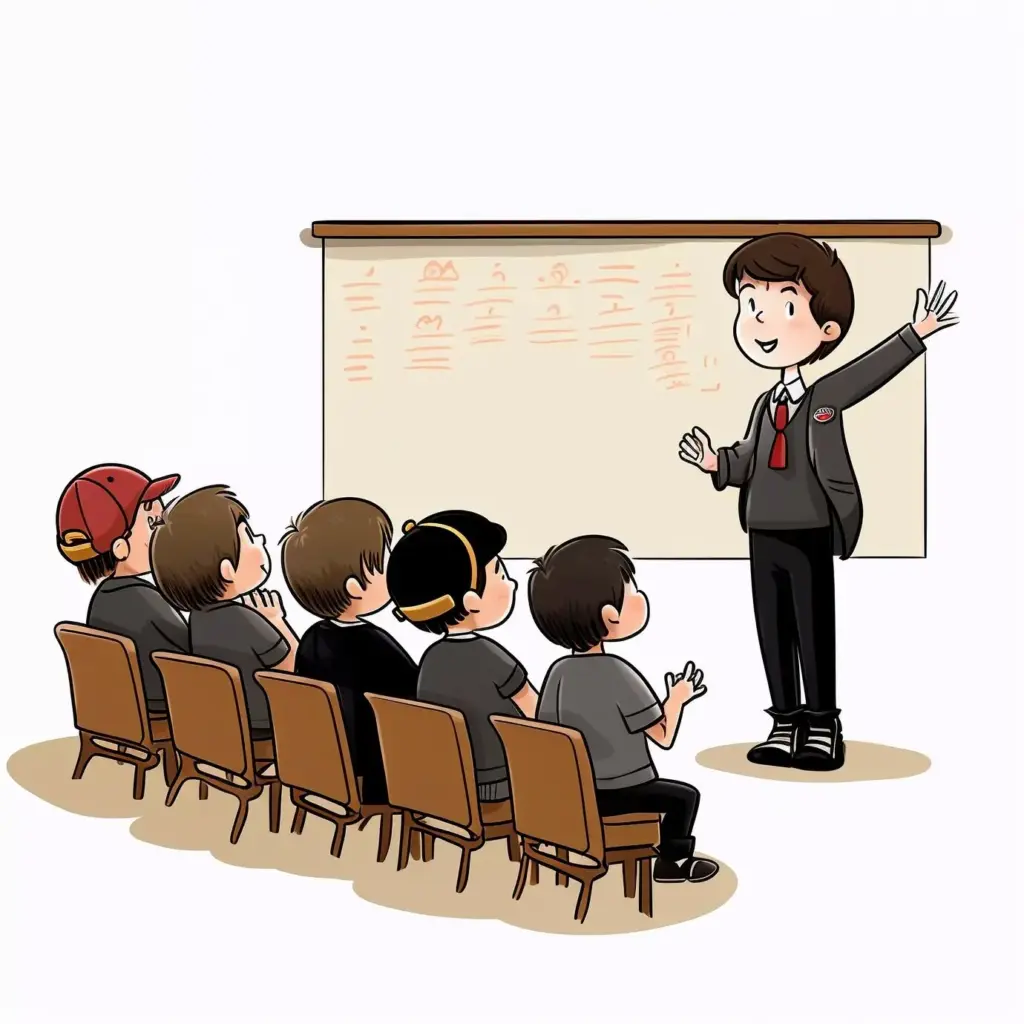
Learning Together, One Simple Routine at a Time

Welcome to a fresh, hands-on way of growing skills at home. Today we explore Family Co-Learning: Turning Household Routines into Skill Practice, revealing how ordinary moments—breakfast, laundry, shopping, cleaning, commuting—can become rich learning experiences. Expect practical scripts, playful prompts, and reflection rituals that elevate daily life. Share your own experiments, ask questions, and subscribe to keep discovering new, attainable ways to help every family member learn by doing, together.

Morning Routines, Hidden Lessons

Mornings can be rushed, yet they hold powerful opportunities for building independence, planning, literacy, and emotional regulation. By turning breakfast, dressing, and departures into collaborative micro-lessons, families create reliable rhythms that practice sequencing, time awareness, and communication. Small tweaks—like visual checklists, countdowns, and shared choices—help children and adults feel capable, calm, and connected, even when the clock is ticking. These practices also reinforce resilience when plans change, turning hiccups into teachable moments.

The Kitchen as a Classroom

Cooking blends math, science, safety, and culture into a joyful laboratory. Recipes offer ratios and reading practice, while sizzling pans become physics lessons. Respect for sharp tools builds focus and responsibility. Smells and textures improve descriptive language and memory. Invite family members to rotate roles—reader, measurer, sauté expert, cleanup captain—to practice leadership and collaboration. Along the way, traditions, stories, and creativity nourish both appetite and curiosity.

Chores that Build Character and Competence

Household tasks are not just obligations; they are practice fields for planning, teamwork, and grit. Assign roles with clear outcomes, rotate responsibilities, and debrief with kindness. Chores teach cause and effect, environmental stewardship, and pride in shared spaces. When tasks are framed as skill-building challenges, children see their contributions matter. With consistency and reflection, even sweeping and sorting become pathways to confidence and civic-mindedness.

01

Laundry Logic and Systems Thinking

Sort by color, fabric, and care symbols to practice classification and rule application. Estimate loads, calculate detergent amounts, and set a timer for transfer. Teach stain triage and label reading as detective work. Create folding stations and challenge speed with quality checks. Celebrate a closed loop when items return to drawers, reinforcing workflow thinking and satisfaction from a thoughtfully completed cycle.

02

Cleaning as Mindfulness and Care

Frame cleaning as an act of care for each other and the environment. Use playlists to set pace, practice left-to-right scanning, and track tasks on a visible board. Encourage mindful breathing during repetitive motions and reflect on before-and-after photos. Acknowledge sensory preferences with gloves or scented products. Over time, children associate cleanliness with calm, competence, and mutual respect rather than pressure or perfection.

03

Repair, Maintenance, and Maker Mindset

Invite curiosity when something breaks: diagnose symptoms, research fixes, and weigh repair versus replacement. Use safe tools with supervision and explain torque, leverage, and fastener types. Celebrate temporary solutions and design upgrades. Keep a family fix-it log to track learnings and costs saved. These experiences build resilience, resourcefulness, and an identity as capable problem-solvers who care for what they own.

Turning Errands into Adventures

Trips to the store, post office, or parks can develop navigation, budgeting, observation, and social skills. Plan routes together, compare product labels, and practice polite interactions with staff. Build mini-missions—find three seasonal produce items or spot accessibility features. Encourage kids to lead parts of the journey, narrate decisions, and reflect afterward. These real-world micro-quests make everyday logistics feel purposeful, empowering, and fun.

Grocery Strategy and Label Literacy

Start with a flexible list and a spending cap. Compare unit prices, ingredients, and nutrition panels, discussing tradeoffs like cost, quality, and sustainability. Assign roles—cart captain, label analyst, list checker—to practice teamwork. At checkout, estimate totals, count change, and reflect on unexpected choices. This routine builds consumer awareness, math fluency, and thoughtful decision-making that extends beyond the store.

Budgeting on the Move

Bring a small cash envelope or digital tracker and plan expenses for snacks, transit, or activity fees. Invite children to allocate funds, adjust when surprises arise, and record outcomes. Discuss wants versus needs and the emotional side of spending. Celebrate a savings target met, and if overspending occurs, design a kind, realistic plan to rebalance next week without shame.

Communication, Empathy, and Collaboration at Home

Shared learning flourishes where voices are heard and mistakes are welcomed. Establish simple rituals for check-ins, feedback, and conflict transformation. Model curiosity before judgment and praise process over outcome. Rotate facilitation so everyone practices leadership. When emotions rise, slow down and name feelings without blame. These habits cultivate psychological safety, empathy, and a collective sense of progress where each person’s needs are considered.

Playful Tools and Simple Tech Aids

Timers, Trackers, and Visual Boards

Use sand timers for transitions, analog clocks for pacing, and sticky-note boards for progress. Let children decorate columns—ready, doing, done—and move tasks themselves. Track streaks with gentle celebrations, not pressure. Review weekly to retire stale tasks and add meaningful ones. These visuals turn intentions into momentum and help everyone see shared progress at a glance.

Family Photography Projects

Invite kids to document procedures—folding, chopping, plant care—with step-by-step photos. Create a shared album as a living manual. Add captions, arrows, and fun stickers to reinforce memory and sequence. Revisit images to reflect on improvements. This visual archive gives shy learners a voice, honors competence, and turns everyday actions into a growing gallery of practical achievements.

Voice Notes and Story Capture

Record quick reflections after chores or outings: what surprised us, what we learned, what we’ll try next time. Rotate who holds the recorder to build ownership and fluency. Later, compile highlights into a short audio diary. Hearing growth over weeks reinforces perseverance, metacognition, and the joy of progress that might otherwise go unnoticed.

Reflection, Rituals, and Sustainable Growth

Learning sticks when families pause to notice it. Establish gentle rituals that celebrate effort, capture insights, and adjust plans without shame. Use micro-retrospectives, gratitude moments, and visible wins to anchor motivation. Set realistic challenges aligned with seasons and energy levels. Over time, repetition, reflection, and kindness weave skill practice into the fabric of daily life, making growth feel natural and shared.
Rumevozuleluzapu
Privacy Overview

This website uses cookies so that we can provide you with the best user experience possible. Cookie information is stored in your browser and performs functions such as recognising you when you return to our website and helping our team to understand which sections of the website you find most interesting and useful.